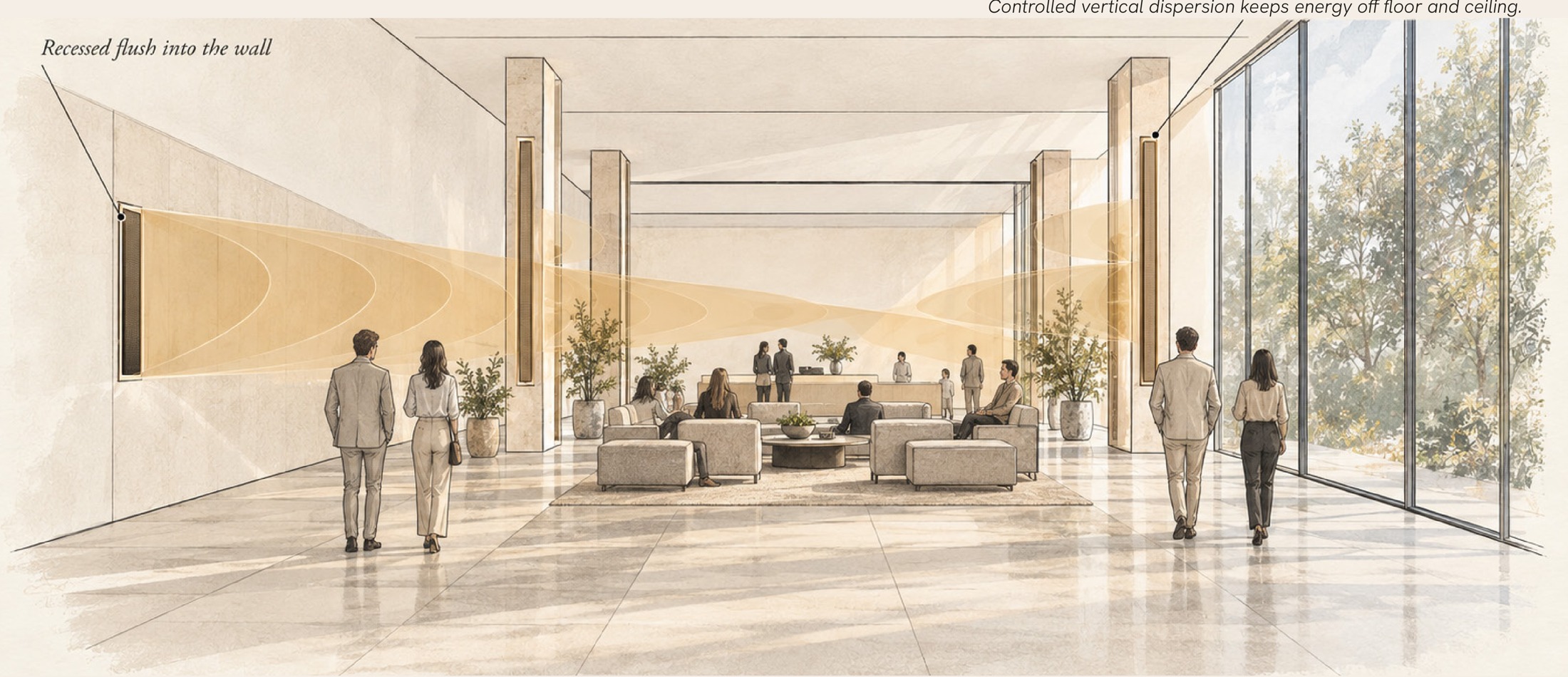
Audio consultancy turns an operating and listening brief into coordinated decisions about the system. At SDS, that means working with operators, architects and project teams on how sound is delivered, how equipment fits the space and how it is used day to day.
Beyond Equipment Selection
One of the clearest misunderstandings around audio consultancy is the assumption that it is simply a more refined form of product supply. It is not.
A supplier or installer may begin with hardware. An audio consultant begins with the brief. How will the space be used? What level of control is required? How visible should the system be? What are the acoustic risks? How will the design team want the technology to sit within the architecture?
These questions matter because the quality of a sound system is never defined by the product list alone. A strong result depends on how the system is designed, integrated, commissioned and used over time.
In practical terms, audio consultancy helps avoid familiar problems. Speakers end up in the wrong place. Ceiling layouts become cluttered. Control becomes too complicated. Infrastructure is insufficient. Acoustic issues are discovered too late. Budget is spent on the wrong priorities. These are not product problems. They are planning problems.
Sound as Part of the Design Language
The best projects do not treat sound as an isolated technical layer. They treat it as part of the atmosphere and function of the space.
In hospitality, the way a room sounds influences comfort, energy and brand identity. A restaurant may need warmth, intimacy and ease of conversation. A bar may require a stronger sense of presence and momentum. A hotel lobby may need calm, polish and consistency throughout the day. Each of these outcomes depends on more than loudspeakers. They depend on strategy.
In residential projects, the considerations are different but no less important. Audio may need to disappear into ceilings or joinery. It may need to support entertaining spaces, quieter private rooms, outdoor areas or media settings. It may need to feel effortless to use while remaining almost invisible. Consultancy helps align these priorities early, before compromises become embedded in the build.
Define the work and the route to delivery
At SDS, the commission may cover the audio brief, system design, specification, coordination, equipment supply, installation oversight and commissioning, according to the agreed scope. The room and its finishes inform that work. Formal building acoustics, environmental noise or statutory reporting require the appropriate specialist acoustic consultant.
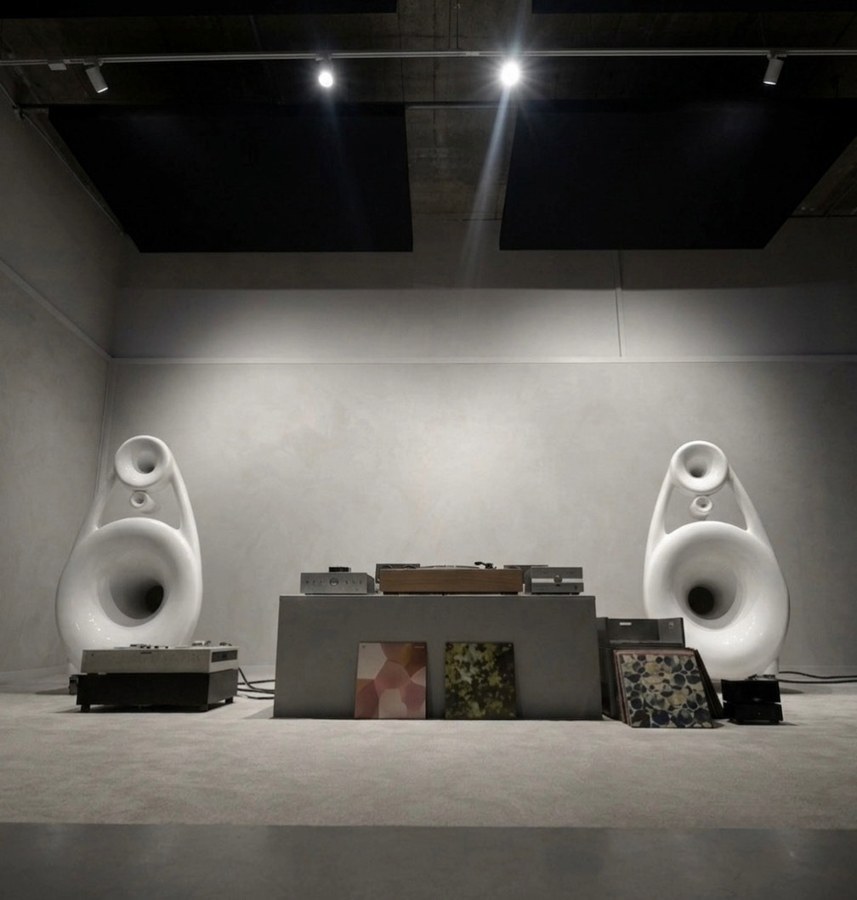
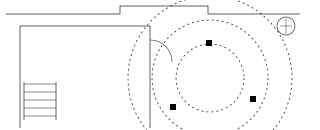
Brief Definition and System Strategy
The consultant helps define what the project actually needs. This sounds simple, but it is where many systems go wrong. Different spaces require different types of performance, different levels of visual discretion, and different approaches to control.
The consultant translates those ambitions into a coherent strategy so the system fits the project rather than being imposed onto it.
Coordination with Architecture and Interiors
This is one of the most valuable parts of the process for architects and designers. Audio infrastructure affects ceilings, wall details, equipment locations, power, containment, joinery and control positions. If not coordinated early, it often becomes disruptive later.
An audio consultant works with the wider team to ensure these requirements are integrated intelligently into the project.
Acoustic Awareness
A strong system will still struggle in a room with poor acoustic behaviour. Hard surfaces, large volumes and reflective finishes can all undermine clarity and comfort. Audio consultancy often overlaps with acoustic thinking because the room itself has such a strong effect on the final result.
Usability and Handover
A technically capable system is of limited value if it is difficult to operate. Good consultancy also considers the practical side. How will staff control the venue? How will the homeowner use different areas of the house? What should happen if settings need to change over time?
The best systems feel natural in use.
Why It Matters

Selected work
Claude's at Chotto Matte
Architectural audio consultancy. Custom loudspeaker integration. Interior design by Superfutures Design Studio.
As featured in Mondo-DR
Audio consultancy matters because sound has a direct effect on how spaces are experienced, yet it often remains under considered until late in the process.
In premium projects, that is a risk. A visually refined restaurant can still feel uncomfortable if conversation becomes strained. A carefully designed home can still feel unresolved if the technology is obtrusive or difficult to live with. A hotel can lose atmosphere if the system lacks flexibility or consistency.
Consultancy reduces those risks. It gives project teams clearer direction, better integration and a stronger final result.
Start with the project as it stands
Early discussion can preserve coordination options. Existing venues and homes can also benefit from a review, with achievable changes assessed against the current fabric, infrastructure and budget. Describe the present problem and the intended use so the first conversation can identify the right scope.
Scope matters as much as budget. If you are weighing whether to appoint an audio consultant or AV installer, the distinction decides who owns the acoustic outcome rather than only the equipment list.


